If you have ever looked at two homes in Lower Gwynedd and wondered why one commands a much higher price, you are not alone. In this market, value is shaped by more than square footage. Your home’s location within the township, lot size, condition, access, and even carrying costs can all influence what buyers are willing to pay. Let’s dive in.
Lower Gwynedd sits in a premium market
Lower Gwynedd stands out as a higher-value pocket within Montgomery County. Census QuickFacts report a 2024 estimated population of 12,336, an owner-occupied housing rate of 78.0%, a median household income of $139,615, and a median value of owner-occupied homes of $655,000.
That local profile helps explain why buyers often focus on overall lifestyle and long-term fit, not just price per square foot. Countywide figures also show the gap. Zillow reported a typical home value of $490,101 in Montgomery County in April 2026, while Redfin reported a March 2026 county median sale price of $452,000.
In Lower Gwynedd itself, Realtor.com showed a median listing price of $975,000 and a median sold price of $680,500, with homes selling at about 100% of asking price on average. That points to a market where pricing still matters, but well-positioned homes can attract serious buyer attention.
Micro-location matters more than many owners think
One of the biggest drivers of home value in Lower Gwynedd is micro-location. Township-wide averages can be useful for context, but they do not tell the whole story.
Realtor.com data for Lower Gwynedd-area ZIP codes shows a wide spread in median listing prices, from about $486,950 in 19462 to $949,000 in 19002 and $989,995 in 19031. That means two homes with similar features can perform very differently depending on exactly where they sit.
This is especially important in areas like Trewellyn Estates and nearby sections of the township, where buyers may compare homes based on setting, lot character, and convenience. A home on a quiet interior street may be viewed differently than one with faster access to major roads. In the same way, proximity to open space can support value, while traffic or noise may pull it the other way.
Lot size and privacy carry weight
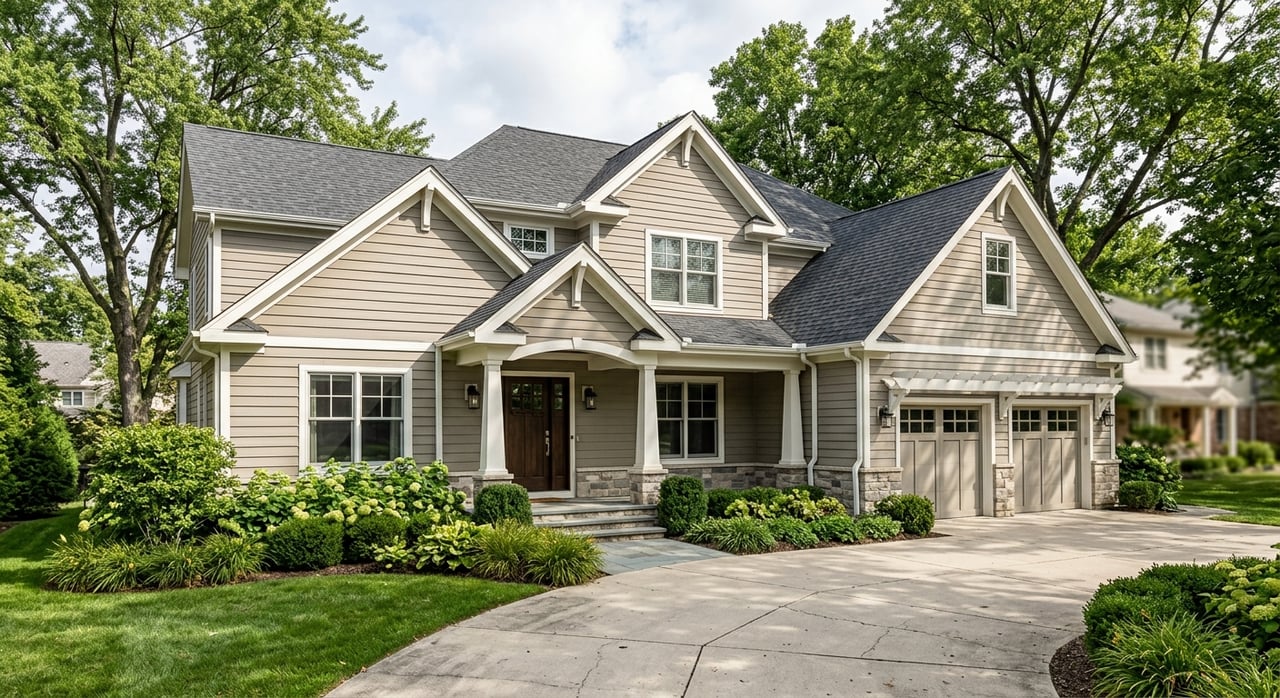
Lower Gwynedd’s development history plays a big role in pricing today. The township comprehensive plan says the area remained largely rural into the 20th century, then saw large properties subdivided into mostly one-acre detached neighborhoods.
That legacy still shapes buyer expectations. In many parts of Lower Gwynedd, buyers are not only shopping for the house itself. They are also shopping for privacy, mature landscaping, setback from the road, and a sense of space.
The same report notes that 61.5% of housing units are single-family detached, 24.4% are multifamily, and 12.6% are single-family attached. Because the housing stock is varied, buyers often assign different value to detached homes, twins, townhouses, and communities with shared open space.
A local example from Montgomery County planning materials shows this clearly. The Villages at Trewellyn includes detached homes, estate lots, twins, townhouses, 24 acres of open space, and a trail network, all within one 65-acre tract. That kind of variation shows why lot character and housing type can affect value even within a small area.
Condition and updates can move the price quickly
In an older housing market, condition is one of the clearest value drivers. The township comprehensive plan states that 88.5% of residential development happened after 1950 and 64% after 1970. Many homes now compete based on how well they have been maintained or updated over time.
That matters because buyers often compare homes through the lens of immediate work needed after closing. A house with an updated kitchen, clean bathrooms, and a newer roof may attract stronger interest than a similar home that feels dated.
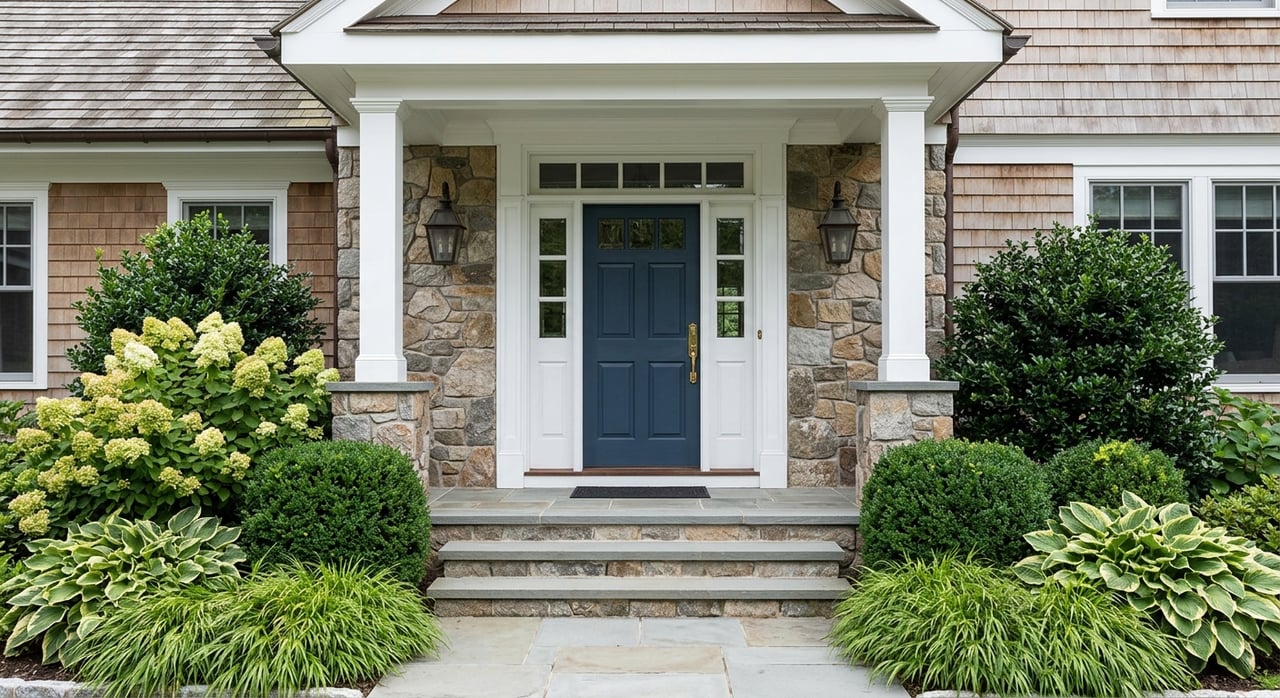
Recent remodeling research supports that pattern. In the 2025 NAR and NARI report, Realtors identified kitchen upgrades, new roofing, and bathroom renovations as some of the most in-demand projects. The same report found that 97% of NAR members said curb appeal is important to attracting a buyer.
For sellers, this does not mean every renovation will produce the same result. It does mean that visible upkeep, functional updates, and strong first impressions are especially important in Lower Gwynedd.
Schools support long-term demand
For many buyers, school district boundaries are part of how they judge long-term value. Lower Gwynedd is served by the Wissahickon School District, which includes Lower Gwynedd Township, Ambler Borough, and Whitpain Township.
The district says it serves more than 5,135 students across four elementary schools, one middle school, and one high school. Even when buyers are focused on the home itself, school boundaries can shape resale appeal because they influence how broad the future buyer pool may be.
This is one reason home values can hold differently from one area to another. When buyers search with school district boundaries in mind, homes within those boundaries may benefit from more consistent demand.
Access can help, but balance matters
Convenience is another major factor in value. Lower Gwynedd lists 47 miles of township roads, 5 miles of county roads, and 20 miles of state roads, including Bethlehem Pike, Route 309, and DeKalb Pike, Route 202.
SEPTA’s Lansdale/Doylestown Line also serves Gwynedd Valley and Penllyn stations within the township. Homes with easier access to these transportation routes often appeal to a broader range of buyers.
At the same time, access is not always a simple plus. A location near a major road or rail stop may be attractive for commuting, but traffic patterns and noise can affect how buyers perceive the property. In practice, value often comes from the right balance between convenience and setting.
Trails, parks, and open space add appeal
Lower Gwynedd offers more outdoor infrastructure than many suburbs of similar size. The township maintains more than 25 miles of walking trails, along with parks including Penllyn Woods, Penllyn Park, Pen Ambler Park, and Ingersoll Park.
That matters because outdoor amenities can shape the way buyers experience a neighborhood. In a township already known for larger lots and green surroundings, trail access and preserved open space can help a property stand out.
For homes in or near places like Trewellyn Estates, this can be especially relevant. Buyers may place extra value on a setting that feels connected to open space while still offering practical access to daily needs.
Taxes and transfer costs affect affordability
Home value is not just about what buyers want. It is also about what they can comfortably carry month to month and at closing.
Lower Gwynedd’s 2026 tax page lists township millage at 1.223 mills. The school district makes up the largest share of the total real estate tax bill, and there is also a 1% real estate transfer tax split evenly between the township and school district.
These costs are part of the affordability picture. Two homes with similar prices may not feel equally attainable if taxes or transfer costs change the total monthly or upfront expense.
Online estimates only tell part of the story
Many homeowners start with an online estimate, but automated tools can only go so far in a market like Lower Gwynedd. Zillow’s Home Value Index is designed as a trend tool, and Zillow states that specific Lower Gwynedd Township data is not currently available on that page, with surrounding-area data shown instead.
That makes online estimates useful for direction, but not for precise pricing. In a market with detached homes on larger lots, attached communities, and meaningful differences by ZIP code, broad data can miss the details that really drive value.
Realtor.com’s Lower Gwynedd page helps illustrate this point by separating asking prices from closed sales. In March and April 2026, it showed a median listing price of $975,000 and a median sold price of $680,500. That gap is a reminder that list price and actual market value are not always the same thing.
The best way to judge value in Lower Gwynedd
The strongest way to understand value in Lower Gwynedd is to look at recent sold comparables that closely match your home. That means comparing style, lot size, condition, and micro-location, not just relying on township averages.
For example, a detached home on a larger lot in a quiet section of the township should not be judged the same way as a townhouse in a different submarket. Even within a small geographic area, the buyer pool and pricing logic can vary.
If you are buying, this kind of analysis helps you understand whether a home is fairly priced. If you are selling, it helps you avoid the two biggest mistakes: pricing too high based on hope, or pricing too low because an online estimate missed what makes your property special.
Lower Gwynedd home values are shaped by a mix of housing type, lot character, updates, access, amenities, school district boundaries, and carrying costs. When you look at those pieces together, the pricing picture becomes much clearer.
If you want a more accurate read on your home’s value or guidance on buying in Lower Gwynedd, Jaime E Lipson offers thoughtful, local advice backed by hands-on service and strong market knowledge.
FAQs
What drives home values in Lower Gwynedd, PA?
- Home values in Lower Gwynedd are often shaped by micro-location, lot size, privacy, housing type, condition, updates, access to roads and rail, nearby trails and parks, school district boundaries, and ongoing carrying costs like taxes.
How important is location within Lower Gwynedd for home prices?
- Location within Lower Gwynedd can make a major difference because local ZIP codes and sub-areas show different price tiers, and buyers may value quiet settings, open space, or commuter convenience differently.
Do home updates matter in Lower Gwynedd, PA?
- Yes. In an older housing market like Lower Gwynedd, updated kitchens, bathrooms, roofing, and strong curb appeal can make a home more attractive to buyers and help support pricing.
How do taxes affect home value in Lower Gwynedd?
- Taxes affect affordability, which can influence buyer demand. Lower Gwynedd’s 2026 tax page lists township millage at 1.223 mills, and the school district represents the largest share of the total tax bill.
Are online home value estimates accurate for Lower Gwynedd homes?
- Online estimates can be a helpful starting point, but they may miss important factors like lot size, condition, housing type, and micro-location, especially in a market with varied submarkets and housing styles.
How should you value a home in Trewellyn Estates or nearby Lower Gwynedd areas?
- The best approach is to compare recent sold homes with similar style, lot size, condition, and location rather than relying only on township-wide averages or automated estimates.